Is Tamari And Tamarind Paste The Same

So, you're standing in the grocery store, staring at the mysterious bottles labeled "Tamari" and "Tamarind Paste", wondering if they're secretly the same thing, right? I mean,...
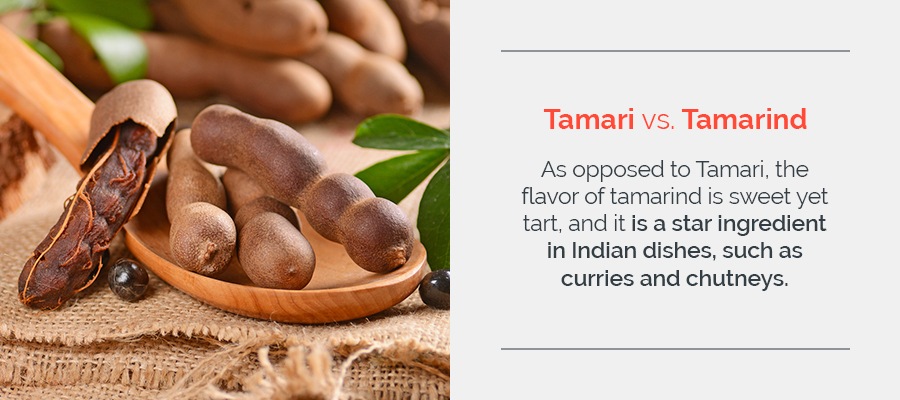
So, you're standing in the grocery store, staring at the mysterious bottles labeled "Tamari" and "Tamarind Paste", wondering if they're secretly the same thing, right? I mean, who hasn't been there?
Let's clear the air, shall we? Grab a coffee, get comfy, and let's chat about this.
First things first, what's the deal with these names?
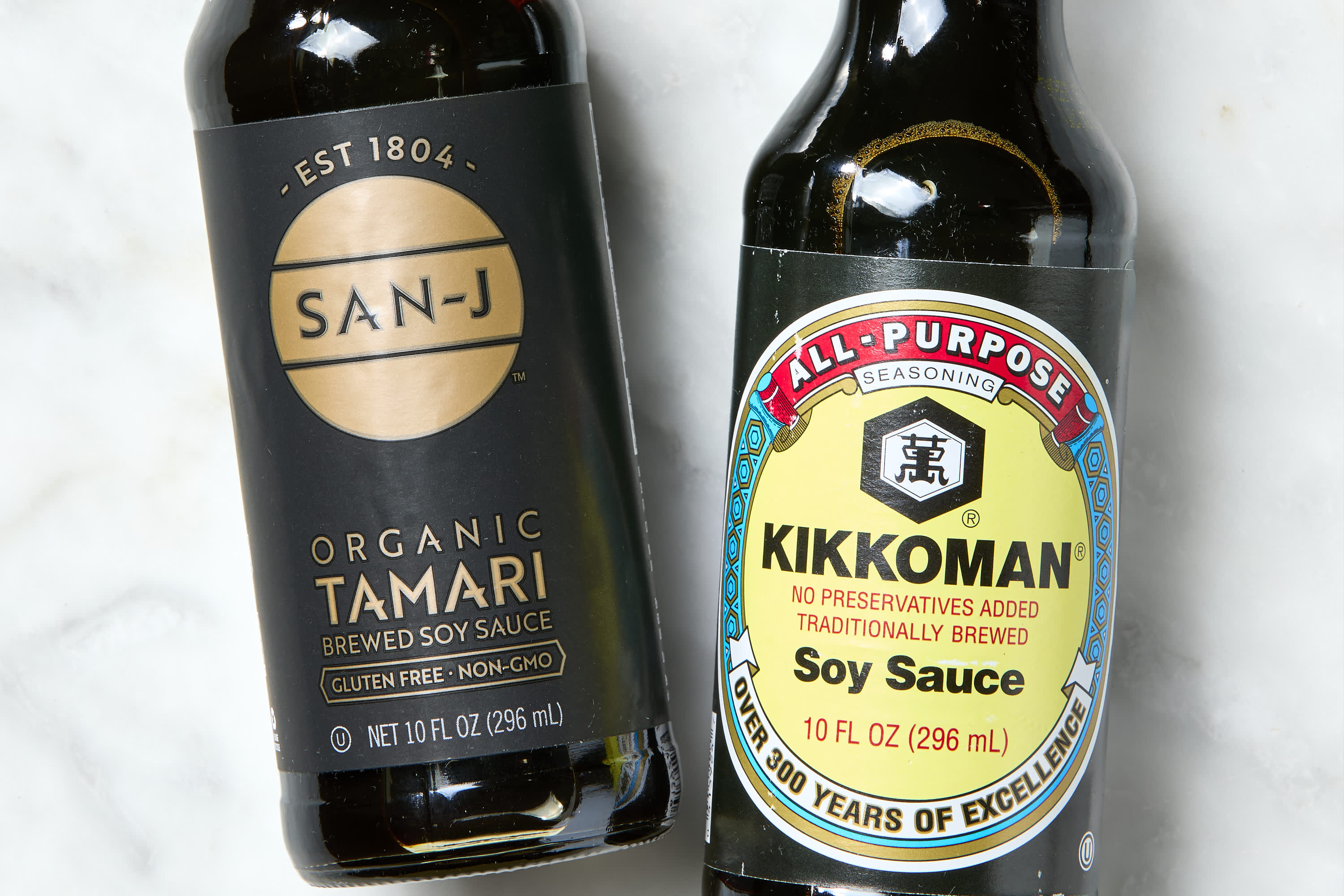
Alright, so "tamari" and "tamarind" might sound like they're trying to trick us into thinking they're twins, but they're not. Tamari is a type of soy sauce, while tamarind is a tropical fruit.
Must Read
Tamari comes from Japan, where soybeans are fermented to create that rich, umami goodness we love in our stir-fries and sushi. Tamarind, on the other hand, is a pod-like fruit that grows on a tree in tropical regions like Africa and Southeast Asia.
But wait, isn't there a paste involved somewhere?
Yep, that's where things get a bit confusing. Tamarind paste is made from grinding up the pulp of the tamarind fruit. It's got a sweet and sour flavor that's amazing in curries and chutneys. But remember, it's not the same as tamari, despite the "paste" part.
Tamari, being a sauce, doesn't come in a paste form. It's liquid, thick, and delicious. No grinding required.
So, what's the difference in taste?
Tamari is salty, savory, and has that deep, rich flavor we associate with soy sauce. It's perfect for adding a punch of flavor to your dishes.
 A Farmer Shared the Best Way to Store Berries to Last | The Kitchn
Tamarind paste, however, is sweet and sour. It's tangy, like a mix of lemon and dates. It adds a whole different dimension of flavor to your meals, especially in curries and chutneys.
Can I use them interchangeably?
Uh, no. Just no. They're like apples and oranges. Sure, they're both fruits, but one's sweet and crunchy, and the other's tart and juicy. You wouldn't swap them in a recipe, right?
Using tamari where you'd normally use tamarind paste (or vice versa) would be like adding salt to your dessert instead of sugar. It's just not gonna work.
Alright, so how do I know which one to use?
Easy! Check your recipe. If it's a Japanese or Asian-inspired dish that needs a savory kick, grab the tamari. If it's a curry or chutney that needs a sweet and sour boost, reach for the tamarind paste.
 The Sweet and Sour Ingredient I Use to Transform My Sauces, Curries
And if you're feeling adventurous, try them both in different dishes. Your taste buds will thank you!
Any tips for storing them?
Tamari and tamarind paste both have a long shelf life, but they're not immortal. Store tamari in a cool, dry place, away from heat and light. Once opened, it should keep for about a year.
Tamarind paste is a bit more finicky. It should be stored in the fridge once opened and will keep for about 3-6 months. But hey, who has tamarind paste lying around for that long, right?
And there you have it! Tamari and tamarind paste, demystified. Now go forth and conquer your kitchen!
