Difference Between A Degree And Diploma

So, you're thinking about furthering your education, huh? Great! But hold your horses, because there's a bit of a mix-up going on out there in the world of academia. People ar...
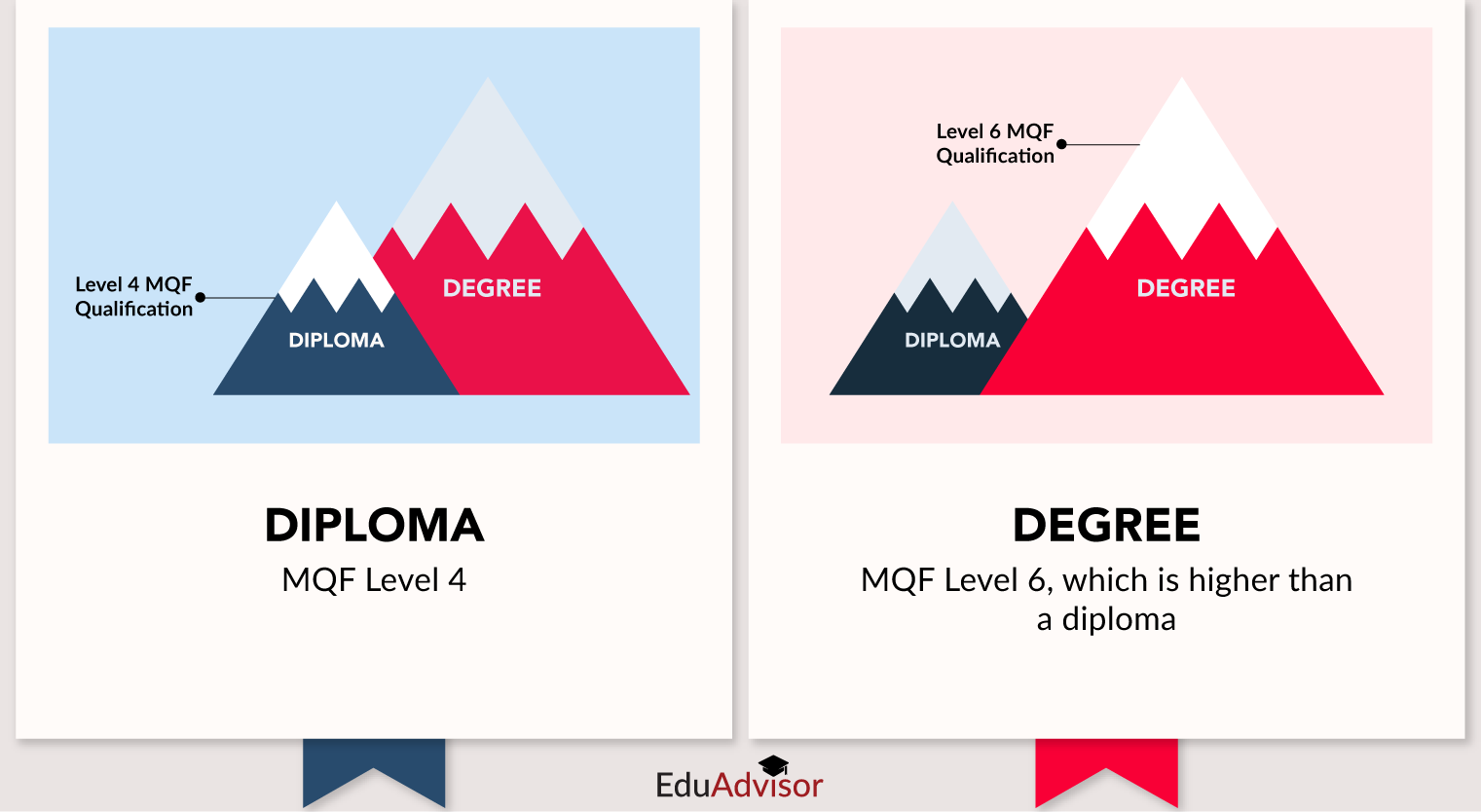
So, you're thinking about furthering your education, huh? Great! But hold your horses, because there's a bit of a mix-up going on out there in the world of academia. People are throwing around terms like "degree" and "diploma" like they're going out of style, and it's all getting a bit confusing. Let's dive in, shall we?
First Things First: What's the Difference?
Alright, imagine you're at a buffet. A degree is like the all-you-can-eat option - it's a comprehensive, in-depth study of a particular subject. You're not just dipping your toes in the water; you're swimming laps, doing the backstroke, maybe even trying out for the Olympics. A degree is usually a three-year (or more) commitment, and it's typically awarded by universities.
A diploma, on the other hand, is more like the appetizer section. It's a shorter, more focused study on a specific aspect of a subject. You're not getting the full meal deal, but you're still getting a taste of what you're interested in. Diplomas usually take less time to complete, often around one to two years, and they can be awarded by universities, colleges, or vocational schools.
Must Read
But Wait, There's More!
Now, let's talk about the different types of degrees. You've got your Bachelor's, which is like the entry-level position in the world of academia. It's the first step on the ladder, and it's usually what you'll need to get started in most careers. Then there's the Master's, which is like the mid-level manager. It's more specialized, and it's often required for certain careers, like teaching or psychology.
And then, oh boy, then there's the PhD. This is the big leagues, folks. It's like being the CEO of your chosen field. You're not just learning about the subject; you're contributing to it. PhDs are typically research-based, and they can take years to complete. But hey, if you're going to spend that much time on something, you might as well be the boss, right?
And What About Honours?
Now, you might be wondering about honours degrees. They're like the bonus level in a video game. You've already completed the main game (your degree), but if you want to take it to the next level, you can do an honours year. It's more challenging, more in-depth, and it often involves a research project. But hey, if you're going to go the extra mile, you might as well get some extra credit, right?
 Difference Between Diploma and Degree: A Clear UK Guide to Levels
So, Which Should You Choose?
Well, that depends on what you want to do with your life. If you know exactly what you want to study and you're ready to commit to a longer period of study, a degree might be the way to go. But if you're still figuring things out, or you want to focus on a specific skill or area of study, a diploma could be just the ticket.
Remember, there's no one-size-fits-all answer here. It's all about what's right for you. So, do your research, talk to people in the field, and most importantly, listen to your gut. After all, this is your education we're talking about - you should be the one calling the shots.
And Finally, a Word of Caution
Now, I know what you're thinking. "But what if I start with a diploma and then realize I want to do a degree? Will I have to start all over again?" Well, fear not, dear reader. Many diplomas offer pathways to degrees, meaning you can use the credits you've already earned to count towards your degree. It's like leveling up in a game - you don't have to start from the beginning; you just keep going.
So, there you have it. The difference between a degree and a diploma, explained in a way that's (hopefully) as entertaining as it is informative. Now go forth, young learner, and make your educational dreams a reality. The world of academia awaits!
