Emotional Expression Mental Illness Art

Unlocking the Canvas: How Art Helps Us Navigate Our Feelings and Mental Health Ever found yourself humming a tune when you're happy, or maybe doodling a storm when you're ups...
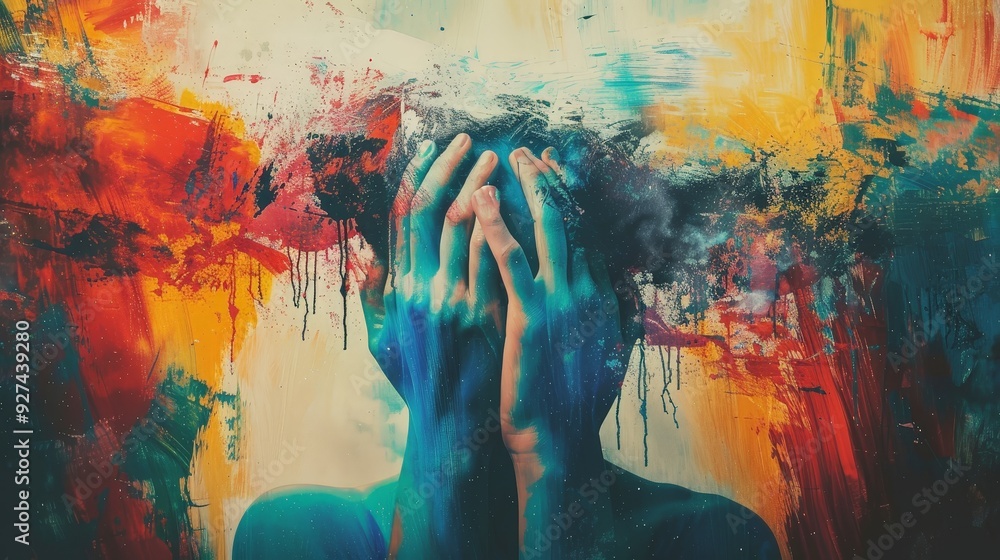
Unlocking the Canvas: How Art Helps Us Navigate Our Feelings and Mental Health
Ever found yourself humming a tune when you're happy, or maybe doodling a storm when you're upset? That's your brain's way of saying, "Hey, let's express these emotions!" And guess who's been listening? The world of art, that's who!
Art, in all its colorful, messy, beautiful glory, has always been a safe space for us to explore and express our emotions. From the cave paintings of our ancestors to the Instagram-worthy masterpieces of today, art has been our emotional outlet, our therapist, our best friend.
Why Should We Care?
Well, let's start with the fact that expressing our emotions is as essential as breathing. It's how we make sense of the world and our place in it. But sometimes, life gets in the way. Work stress, relationship drama, the endless scroll of social media - it can all add up and leave us feeling overwhelmed. That's where mental illness can creep in, making it even harder to express and understand our emotions.
Must Read
According to the World Health Organization, nearly one in four people will be affected by a mental or neurological disorder at some point in their lives. That's a quarter of us, folks! So, if we're not already touched by mental illness ourselves, chances are we know someone who is. And that's why we should care. Because art, in all its forms, can be a lifeline for both.
Art as Therapy
Art therapy, as it's formally known, has been around since the 1940s. It's a type of therapy that uses art media as its primary mode of communication. No, you don't need to be the next Picasso to benefit from it. In fact, the beauty of art therapy lies in its accessibility. It's about the process, not the product.
Take Vincent van Gogh, for instance. He struggled with mental illness throughout his life, yet his art was a lifeline for him. His paintings, like "The Starry Night," are now some of the most recognizable in the world. But for Van Gogh, they were a way to express his emotions when words failed him.
Or consider the story of Matisse's cut-outs. In his later years, Matisse was bedridden and unable to paint. So, he started cutting shapes from paper and arranging them on a canvas. These cut-outs, vibrant and bold, were a way for him to continue creating art despite his physical limitations. They were also a way for him to express his emotions, to find joy and beauty in the world around him.
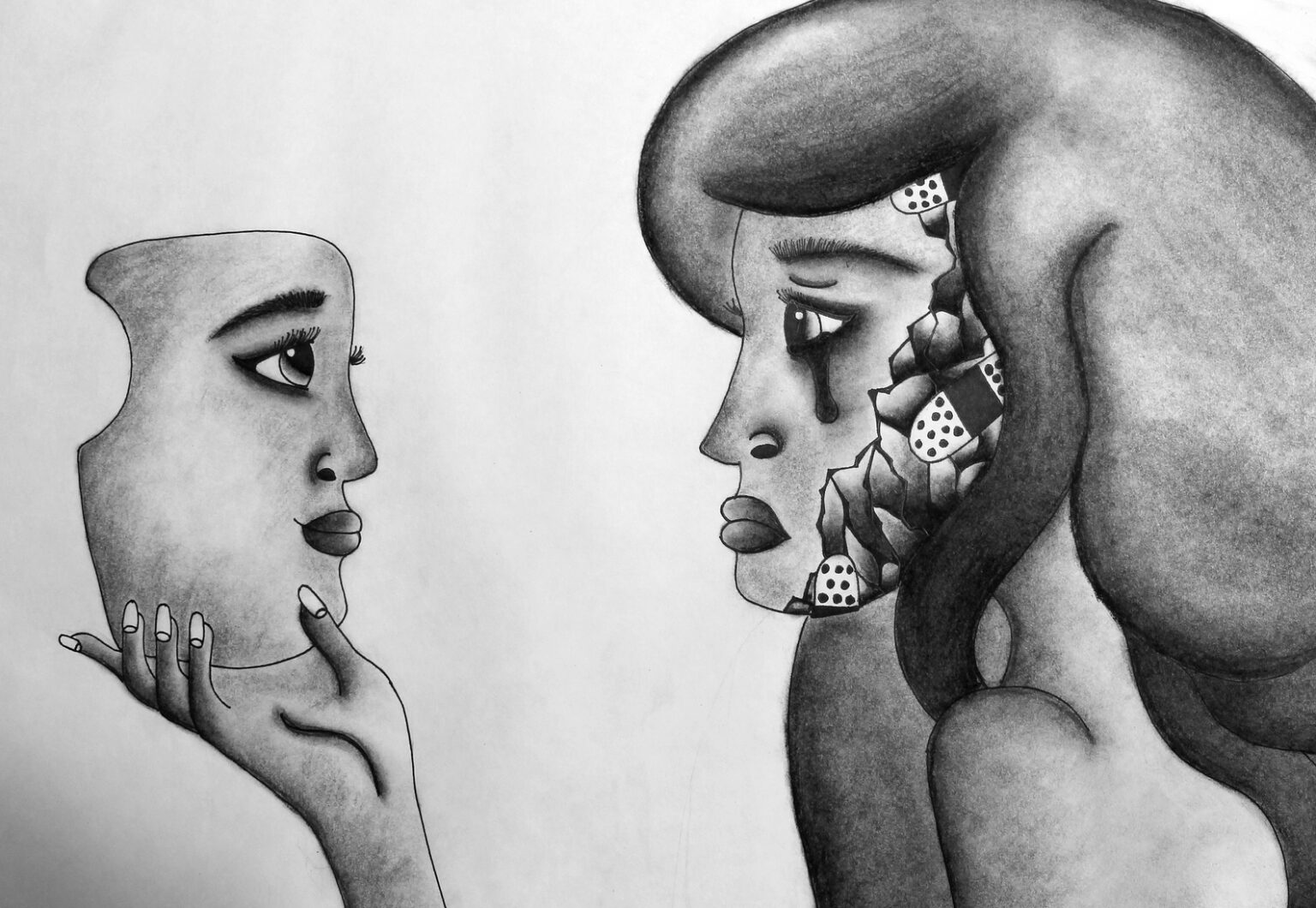 Art in the Age of Anxiety: How Contemporary Artists are Responding to
Art for Everyday Emotions
You don't have to be a Van Gogh or a Matisse to use art as a way to express your emotions. In fact, art is all around us, every day. It's in the songs we sing in the shower, the poems we write in our journals, the doodles we draw on our coffee cups.
Remember when you were a kid, and you'd draw a picture to show your mom how you felt? That's art therapy in its simplest form. It's a way to communicate our emotions when words fail us. And it's just as important now as it was then.
So, the next time you're feeling a bit blue, or maybe a bit too happy, grab a pen, a paintbrush, or even a spatula (hello, finger painting!), and let your emotions flow. You might just find that art is the best therapist you've ever had.
And if you or someone you know is struggling with mental illness, remember, you're not alone. There are countless resources out there, from art therapy classes to online communities. And who knows, maybe one day, your art will inspire someone else to express their emotions, too.
After all, art has a way of connecting us, of reminding us that we're not so different, you and I. So, let's embrace it, let's use it, let's make it our own. Because art, my friends, is the language of the soul. And it's speaking to us all.
