Excel Formula To Count Cells With Color

Alright, gather 'round, folks. I've got a tale to tell about a time when I was locked in a battle with the most formidable foe of our generation: a spreadsheet. Now, I know wh...
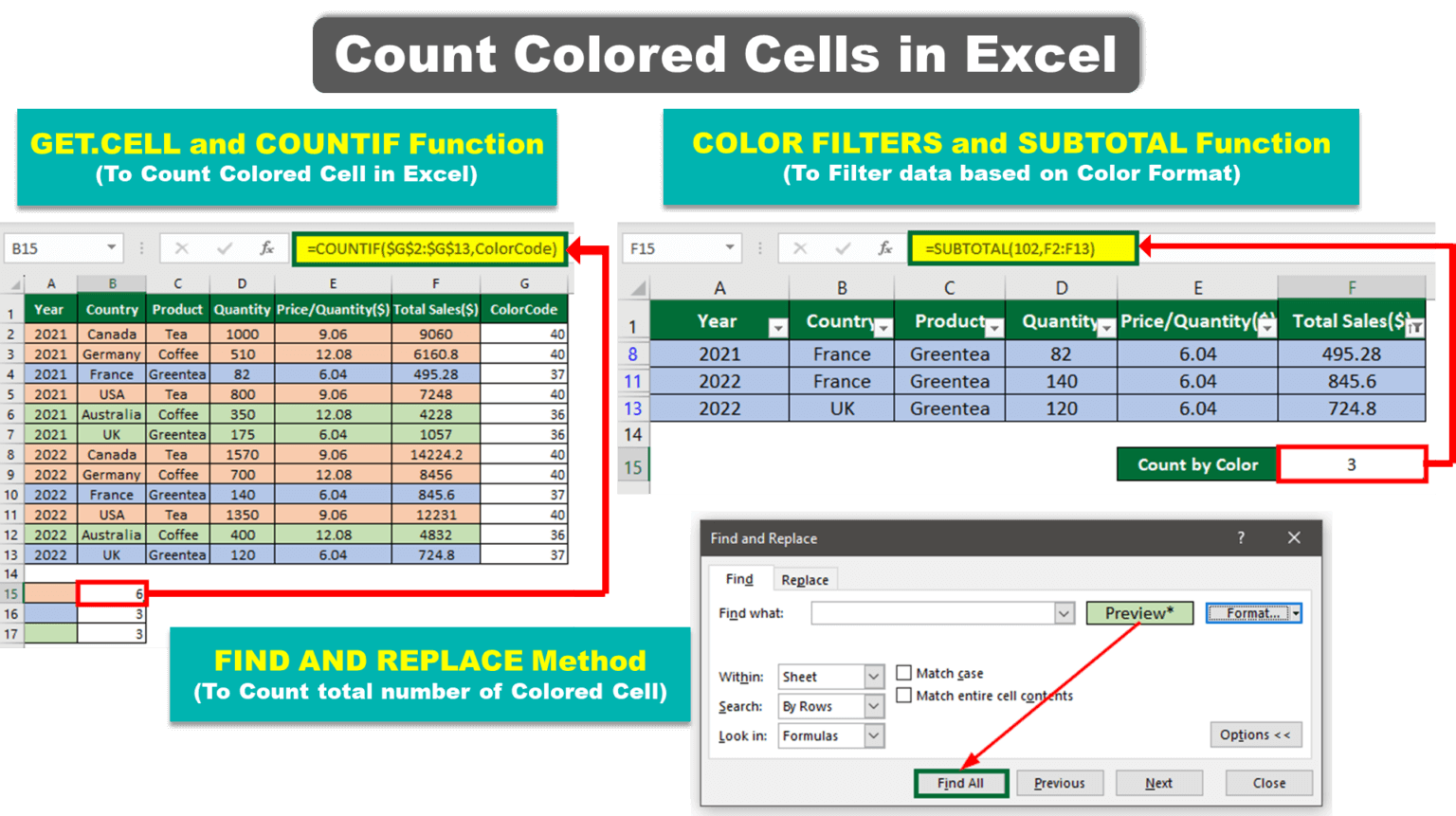
Alright, gather 'round, folks. I've got a tale to tell about a time when I was locked in a battle with the most formidable foe of our generation: a spreadsheet. Now, I know what you're thinking, "Oh, here we go again with the 'spreadsheet adventures' story." But hold your horses, this one's different. This time, our hero wasn't armed with just any old Excel skills. No, no, this time, our hero had a secret weapon: a formula to count cells with color.
Enter the Colorful World of Conditional Formatting
Now, before we dive into the nitty-gritty of this magical formula, let's set the scene. Imagine, if you will, a vast, sprawling spreadsheet, a digital landscape stretching out as far as the eye can see. This wasn't your average, run-of-the-mill spreadsheet. Oh no, this one was special. It was a living, breathing thing, filled with data that changed color like a mood ring, depending on its value.
You see, our hero had discovered the dark arts of conditional formatting. With a few clicks and some mysterious incantations (okay, okay, it was just typing in some rules), cells turned red when values were too high, green when they were just right, and yellow when they were somewhere in between. It was like a real-life, data-driven rainbow.
Must Read
But Here's the Thing...
Our hero had a problem. They needed to know, at any given moment, exactly how many cells were turning red, green, or yellow. They needed a count, a tally, a number they could use to track progress, to make decisions, to... well, to brag to their colleagues about their impressive data management skills.
But how? How could they count these cells, these tiny, colorful pixels scattered across the vast expanse of the spreadsheet? They could, of course, count them by hand. But who has the time? And who wants to risk losing an eye to carpal tunnel syndrome?
The Formula That Changed Everything
And then, like a beacon of hope shining down from the heavens, our hero remembered something they'd heard in a distant Excel training session. A formula. A magical, mystical, wonderful formula that could count cells based on their color. Or, more specifically, based on the conditional formatting rules that made them change color.
And so, with a deep breath and a silent prayer to the gods of data, our hero typed in the following incantation:
=COUNTIFS(range,">"<=100","range,">"<=200","range,">"<=300")
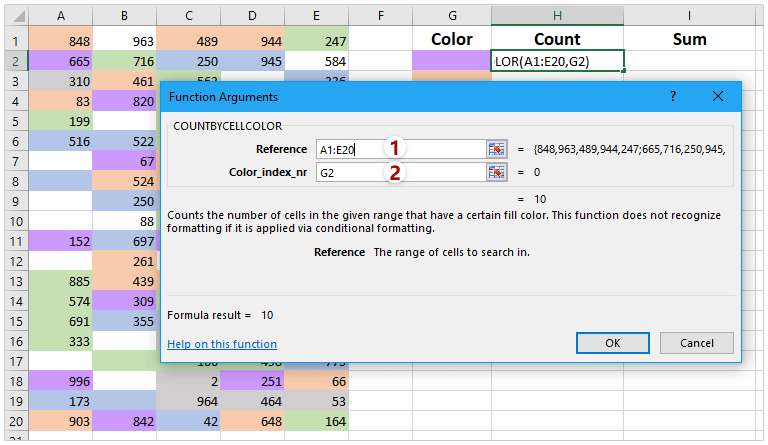 How to count and sum cells based on background color in Excel?
And, lo and behold, the formula worked its magic. It counted the number of cells in the specified range that were turning red (values over 100), yellow (values over 200), and green (values under 200). It was like a digital, data-driven magic trick.
But Wait, There's More!
But our hero wasn't satisfied with just counting the cells. Oh no, they wanted to know the total number of cells that were changing color, regardless of their value. So, they tweaked the formula slightly:
=COUNTIF(range,">"<=100") + =COUNTIF(range,">"<=200") + =COUNTIF(range,">"<=300")
And with that, our hero had their total. They could see, at a glance, exactly how many cells were changing color. They could track progress, make decisions, and, of course, brag to their colleagues about their impressive data management skills.
And So, Our Hero Rode Off Into the Sunset...
And that, dear friends, is the tale of how our hero used a formula to count cells with color. They saved the day, they won the battle against the spreadsheet, and they lived happily ever after, surrounded by data that changed color like a digital sunset.
But remember, folks, this isn't just a story. This is a real-life, honest-to-goodness Excel formula that you can use in your own spreadsheets. So, the next time you're faced with a colorful spreadsheet, don't despair. Don't count by hand. Don't risk losing an eye to carpal tunnel syndrome. Just remember the formula, and you'll be counting cells with color in no time.
