How Do You Know When Fried Fish Is Done

Cracking the Crisp: When Your Fish is Fried, Not Forgotten Ever found yourself in a fishy situation, wondering if your fillet is ready for its close-up? You're not alone. The...

Cracking the Crisp: When Your Fish is Fried, Not Forgotten
Ever found yourself in a fishy situation, wondering if your fillet is ready for its close-up? You're not alone. The dance between raw and cooked can be a delicate one, but fear not, fellow food explorers. We're about to dive into the sizzling world of fried fish and demystify that all-important question: how do you know when your fish is done?
First Things First: The Art of the Flip
Before we get into the nitty-gritty, let's talk technique. The golden rule of frying fish? Don't overcrowd your pan. A single layer of fillets ensures even cooking and prevents a soggy, sad fish dinner. And remember, a gentle flip is a kind flip. Use a spatula, not a frisbee, to turn your fish. We're aiming for crispy, not crumbly.
Cue the Crisp: Visual Clues
Now, let's talk signs. The most obvious indicator that your fish is cooking up a storm is a beautiful, golden-brown crust. This is your fish's way of saying, "I'm ready for my close-up." But don't stop at the surface. Flip that fillet over and look for the same golden hue on the other side. If it's still pale, give it a few more minutes in the hot seat.
Must Read
Another visual cue? The fish should be releasing itself from the pan with ease. If it's still stuck, it might need a little more time. But beware, the line between undercooked and overcooked is a fine one. We're not trying to create fish jerky here.
Temperature Talks: The Importance of Internal Heat
But what about the inside story? That's where temperature comes in. The USDA recommends cooking fish to an internal temperature of 145°F (63°C). But here's the thing: by the time your fish reaches this temperature, it's likely overcooked. Fish is best enjoyed when it's still slightly translucent in the middle. So, what's a home cook to do?
Enter the trusty old fork test. Insert a fork into the thickest part of your fish at an angle and twist gently. If the fish flakes easily but is still slightly translucent in the middle, it's ready to rock and roll. If it's falling apart at the seams, you've gone too far. But remember, every fish is unique. A thicker fillet will take longer to cook than a thinner one. Keep an eye on the clock, too.
Cultural Notes: Around the World in 80 Plates
From the crispy catfish of the American South to the succulent sardines of Portugal, fried fish is a global phenomenon. In Japan, tempura is a work of art, with chefs mastering the delicate balance of heat and batter. In India, fish fry is a staple, often served with a tangy chutney. Closer to home, the UK's fish and chips is a national treasure, with debates raging over the perfect batter.
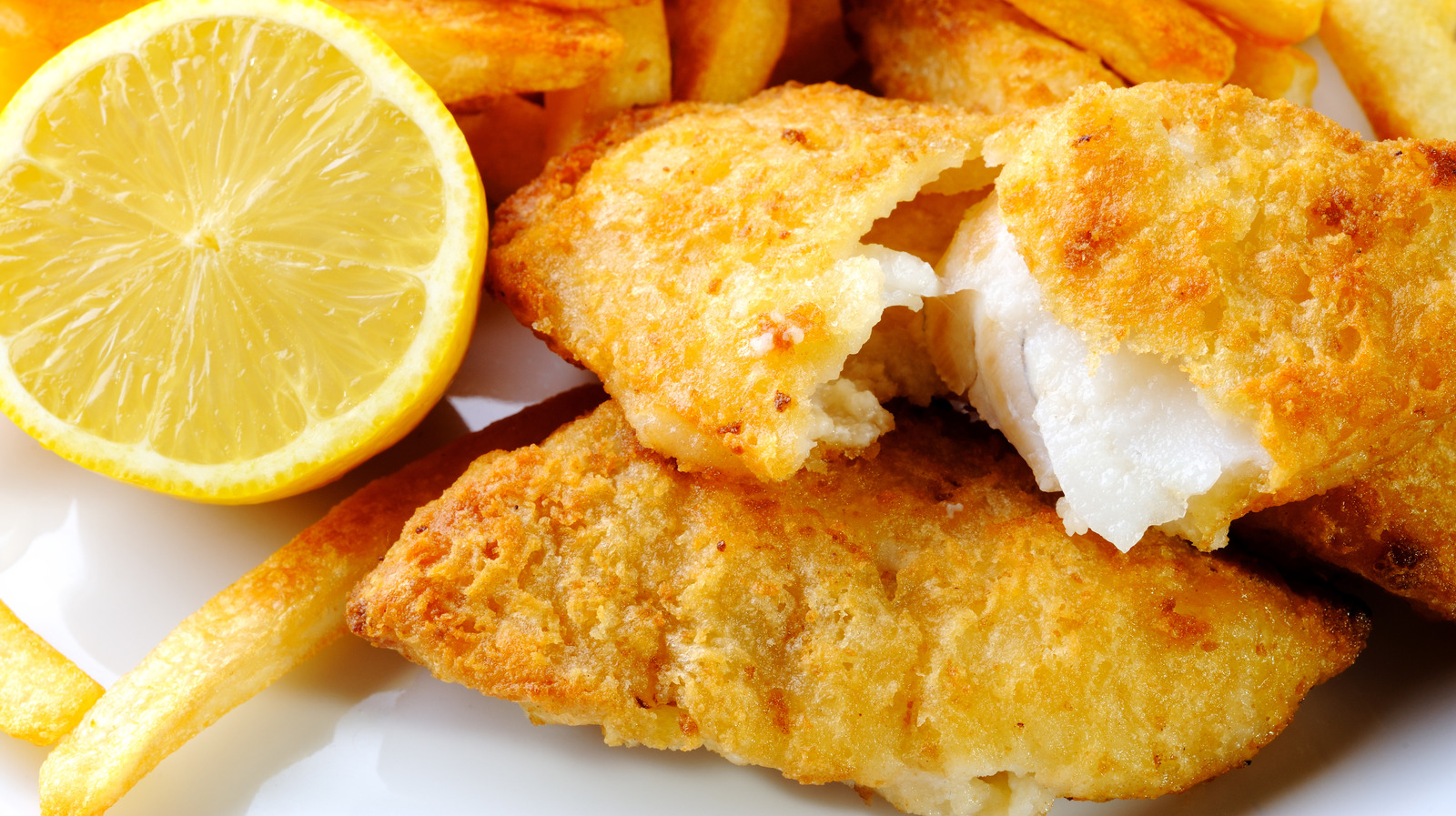 How To Know When Frying Fish Is Done at Layla Nankervis blog
But here's a fun fact for you: the world's largest fried fish was caught in Iceland in 1985. Weighing in at a whopping 215 pounds, it's safe to say that fish was well and truly done. Now that's a fish fry.
From Pan to Plate: The Final Touch
So, you've mastered the art of the flip, you've checked the color, you've passed the fork test. Your fish is done. But wait! Don't forget the final touch. A squeeze of lemon, a sprinkle of salt, a dollop of tartar sauce. The perfect finish can elevate your fish from good to great.
A Reflection on the Simple Pleasures
There's something deeply satisfying about a perfectly fried fish. It's not just about the taste, though that's certainly a factor. It's about the process, the ritual, the dance between heat and time. It's about the joy of creating something delicious from simple ingredients. It's about the pleasure of a meal well-made and well-enjoyed.
So, the next time you find yourself in the kitchen, wondering if your fish is done, take a moment to appreciate the journey. From raw to ready, it's a dance worth doing. And remember, the best way to learn is to do. So, grab your spatula, turn up the heat, and let the good times fry.
