How Do You Put A Password On A Zip File

Ever wondered why your digital files act like grumpy librarians—only letting you in if you know the *exact* password? Well, guess what? You can turn any folder into one of tho...

Ever wondered why your digital files act like grumpy librarians—only letting you in if you know the exact password? Well, guess what? You can turn any folder into one of those secret vaults with a zip file. And no, it’s not as complicated as it sounds. Let’s crack this open—literally.
Why Zip Files Are Like Digital Fort Knox
Zip files are basically the digital equivalent of a padlock for your files. They compress your stuff into one neat package and—bonus—let you add a password so only you (or the right person) can peek inside. Think of it like wrapping your favorite snack in foil: no one touches it until you say so.
Fun fact: The zip file format was invented in the 1990s by Phil Katz, a guy who probably spent way too much time on the internet. His creation became so popular that it’s now the default way to share files online—like the digital handshake of the internet age.
Must Read
Step 1: Gather Your Files (Like a Digital Hoarder)
First, drag and drop all the files you want to protect into a folder. It’s like building a treasure chest, but instead of gold, you’re stashing your cat’s embarrassing photos or that half-finished novel you’ll “finish someday.”
Pro tip: If you’re feeling fancy, name your folder something mysterious, like “Project X” or “The Files That Must Not Be Seen.”
Step 2: Right-Click Your Way to Security
Now, right-click that folder and select “Send to”—then choose “Compressed (zipped) folder”. Boom. Instant digital shrink wrap. Your files are now smaller, and your folder looks like it’s wearing a tiny security badge.
Wait—did you just realize you’re now a file protector? Congrats. You’re officially part of the cybersecurity elite.
Step 3: Add a Password (Because “Password123” Isn’t Cool Anymore)
Double-click the new zip file, and a window will pop up asking for a password. Enter one—but make it something actually hard to guess. No “letmein” or “password,” unless you’re into that kind of thing.
Need inspiration? Try a passphrase—like “BlueWhaleSingsAtMidnight.” It’s longer, harder to crack, and sounds like something out of a spy movie.
Step 4: Test It (Because Trust, But Verify)
Close the zip file and try opening it again. If it asks for a password, you did it! If it doesn’t, well… maybe your cat walked over it while you weren’t looking.
Pro move: Send the zip file to a friend and watch their face when they can’t open it. Chaos ensues.
Why This Is Actually Kind of Fun
Let’s be real—adding passwords to files is way more exciting than it sounds. It’s like being a digital spy, except instead of secret documents, you’re protecting your embarrassing screenshots.
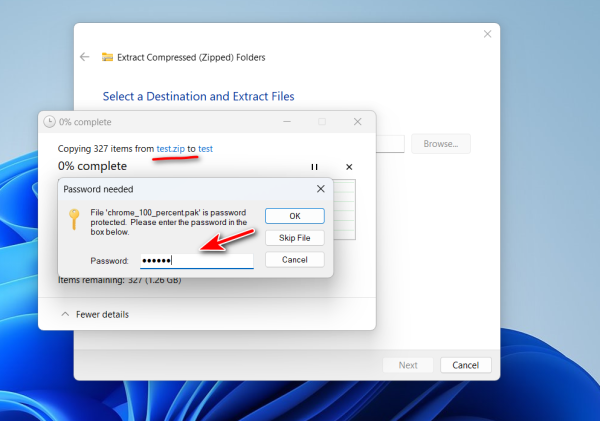 How to Password Protect a Zip File on Windows 11/10 PC
And here’s the kicker: You’re not just securing your files; you’re also flexing your tech skills. Suddenly, you’re the person everyone asks for help when their files go missing. Power move.
Bonus: Zip File Hacks You Didn’t Know About
Did you know you can encrypt zip files with extra security? It’s like putting a digital safe inside a digital vault. Just right-click, go to “Advanced”, and check the encryption box. Now your files are double-locked—like Fort Knox’s cousin.
Or how about this: You can split a zip file into smaller chunks. Perfect for sending large files without making your friend’s email cry. It’s like digital Lego—you can rebuild it later.
When Should You (Or Shouldn’t) Use a Zip File?
Use a zip file for anything you don’t want prying eyes on—tax documents, that half-baked novel, or your very personal playlist of sad breakup songs. But don’t use it for banking info or super-secret government plans—that’s what real encryption is for.
And if you’re sharing files with someone, always tell them the password. Otherwise, they’ll just think you’re being mysterious—and maybe a little mean.
The Dark Side of Zip Files (Or: Why You Shouldn’t Be Evil)
Okay, let’s talk about the funny side of zip files. What happens when you forget your password? Poof. Your files are gone—like a digital ghost. No one can help you, not even tech support. It’s like losing your keys, but worse because you’re the one who locked yourself out.
And if you’re feeling particularly mischievous, you could zip a file and send it to someone with a ridiculously hard password. Watch their face when they can’t open it. Chaos ensues.
Final Thought: You’re Now a Zip File Master
Congrats! You’ve just unlocked the secret handshake of digital security. Now go forth and zip like a pro. Protect your files, share them wisely, and maybe—just maybe—tease your friends with a password they’ll never crack.
And who knows? Maybe one day, you’ll be the one everyone asks for help when their files go missing. Until then, keep zipping.
