What Happens To A Dead Body In A Casket

So, you've been to a funeral, right? You know that moment when the coffin is lowered into the ground, or the curtains close behind it as it disappears into the crematorium? Ev...
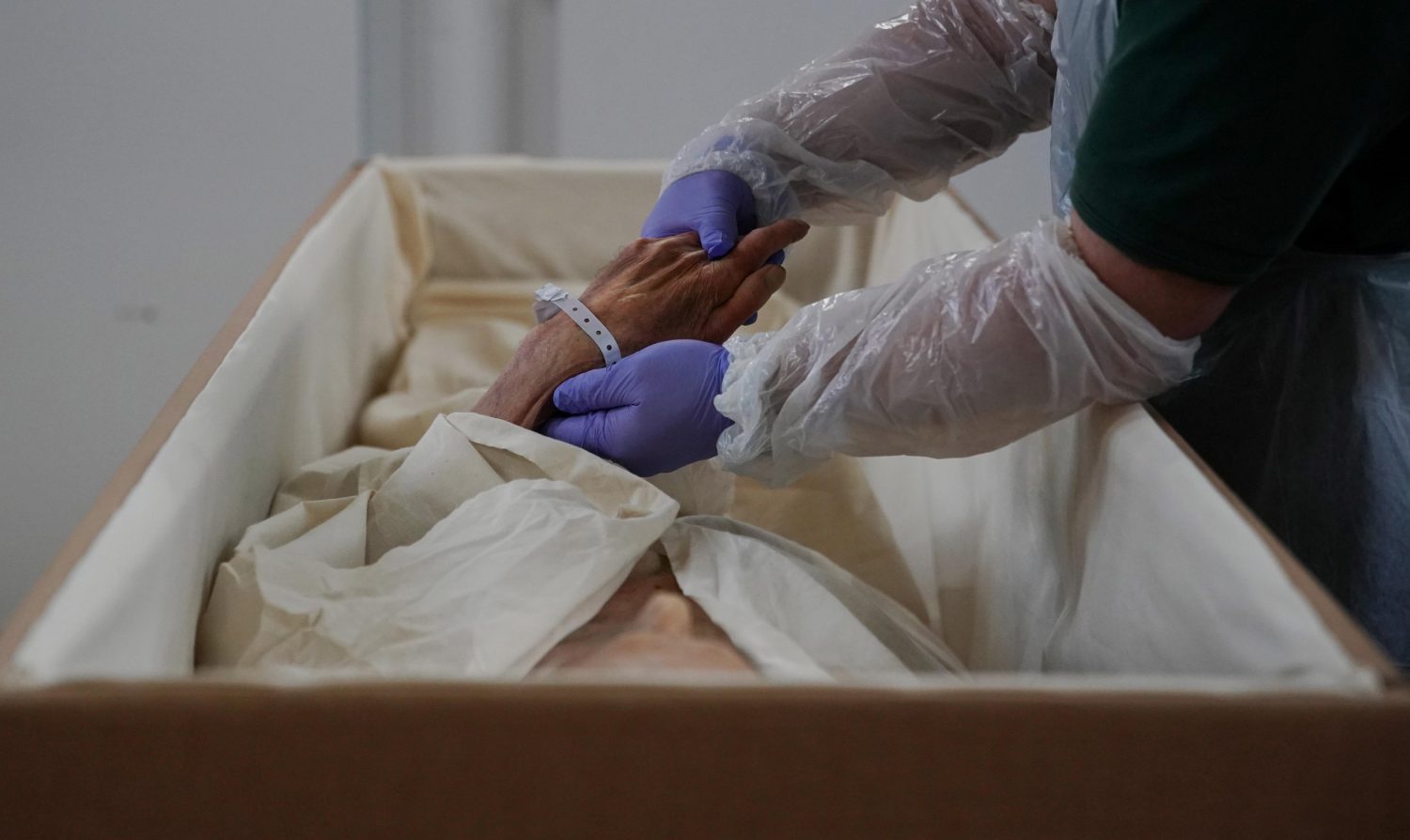
So, you've been to a funeral, right? You know that moment when the coffin is lowered into the ground, or the curtains close behind it as it disappears into the crematorium? Ever wondered, what exactly happens to that dead body in the casket after that? Let's dive in, shall we?
First Things First: The Funeral
Before we get into the nitty-gritty, let's talk about what happens right after the funeral. You might think that once the casket is sealed, it's just sitting there, waiting for eternity. But no, my friend, there's a bit more to it.
In a traditional funeral, the casket is usually sealed just before the viewing or service. This is to prevent any, well, leakage of bodily fluids. Gross, I know, but it's a fact of life (or death, in this case). The casket is then placed in a hearse and taken to the cemetery or crematorium.
Must Read
Burial: The Long Sleep
Alright, let's say the dearly departed is being buried. The casket is lowered into the grave, and the mourners throw their flowers or dirt onto it. Then what?
Well, the casket isn't just sitting there in its hole. It's actually quite a cozy little nest. Most modern caskets are made of metal or wood, which can take a while to decompose. This provides a bit of protection for the body, at least for a while.
Over time, though, the casket will start to break down. Water seeps in, the wood rots, the metal rusts. And when that happens, the body inside starts to decompose too. It's a slow process, but it's happening. The body turns to skeleton, the hair and nails fall out, and the coffin collapses in on itself. It's not a pretty picture, but it's nature's way of recycling.
Cremation: The Quick Burn
Now, let's talk about cremation. This is where the body gets a quick, hot makeover. The casket is placed in a special oven called a cremator, and the heat is turned up to about 1800 degrees Fahrenheit.
The casket burns first, then the body. It takes about two to three hours for everything to turn to ashes. These ashes are then collected and given to the family. Sometimes they're buried, sometimes they're scattered, and sometimes they're made into jewelry. It's a personal choice, really.
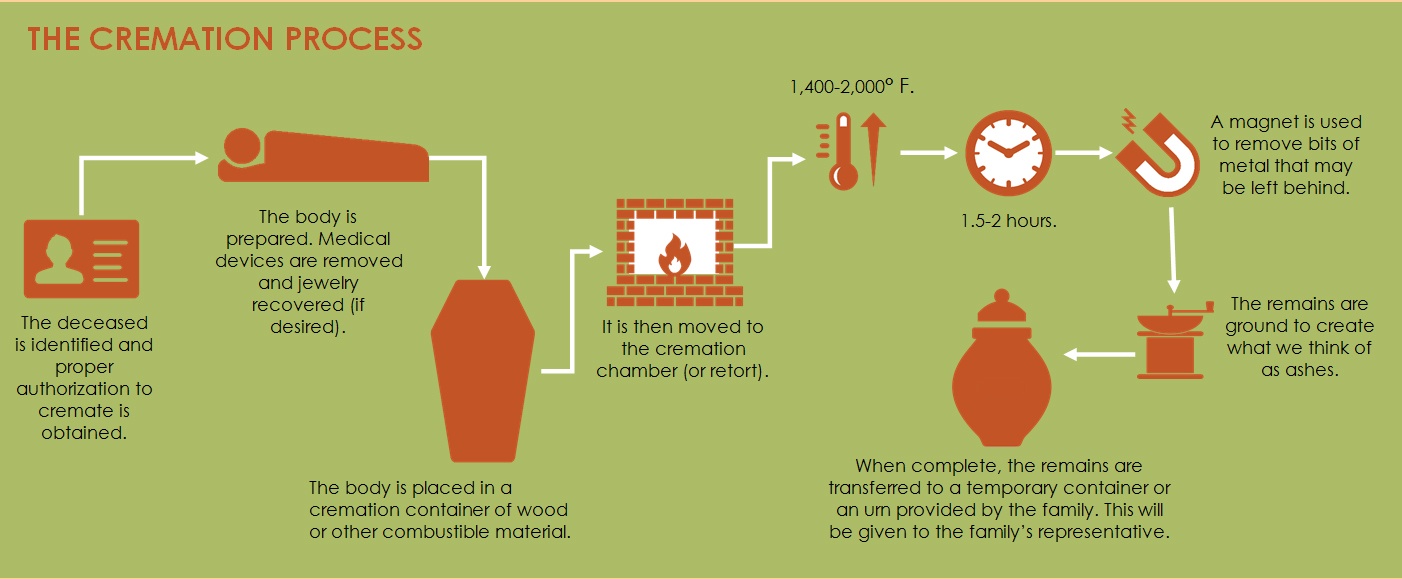 The Cremation Process Step-by-Step. How it works from start to finish.
Green Burial: The Eco-Friendly Option
There's a newer trend gaining traction, too - green burial. This is where the body is buried in a simple shroud or biodegradable casket, with no embalming fluids. The idea is to let the body decompose naturally, with as little environmental impact as possible.
In a green burial, the body is often placed in a special grave liner instead of a casket. This liner allows for water to drain and air to circulate, speeding up the decomposition process. It's a bit like giving the body a little helping hand in its journey back to the earth.
So, What's It All About?
You might be wondering, why does any of this matter? Well, it's all about how we say goodbye, and how we remember our loved ones. Some people prefer the traditional route, with a fancy casket and a big funeral. Others want something simpler, more natural, more personal.
No matter what you choose, one thing's for sure - the body in the casket isn't just sitting there, waiting for the end of time. It's going through a process, whether that's decomposition in a grave or cremation in an oven. It's a bit morbid, sure, but it's also a bit beautiful. It's life, and death, and everything in between.
So, there you have it. The not-so-pretty, but fascinating truth about what happens to a dead body in a casket. Next time you're at a funeral, you can impress your friends with your newfound knowledge. Just don't mention the leakage part, okay?
