How To Credit Card Balance Transfer

Hey there, money-savvy friend! Let's chat about something that could be a total game-changer for your finances - credit card balance transfers. You might be thinking, "Why on...
Hey there, money-savvy friend! Let's chat about something that could be a total game-changer for your finances - credit card balance transfers. You might be thinking, "Why on earth would I want to do that?" Well, grab a cuppa, get comfy, and let me spill the beans.
Why Should You Care About Balance Transfers?
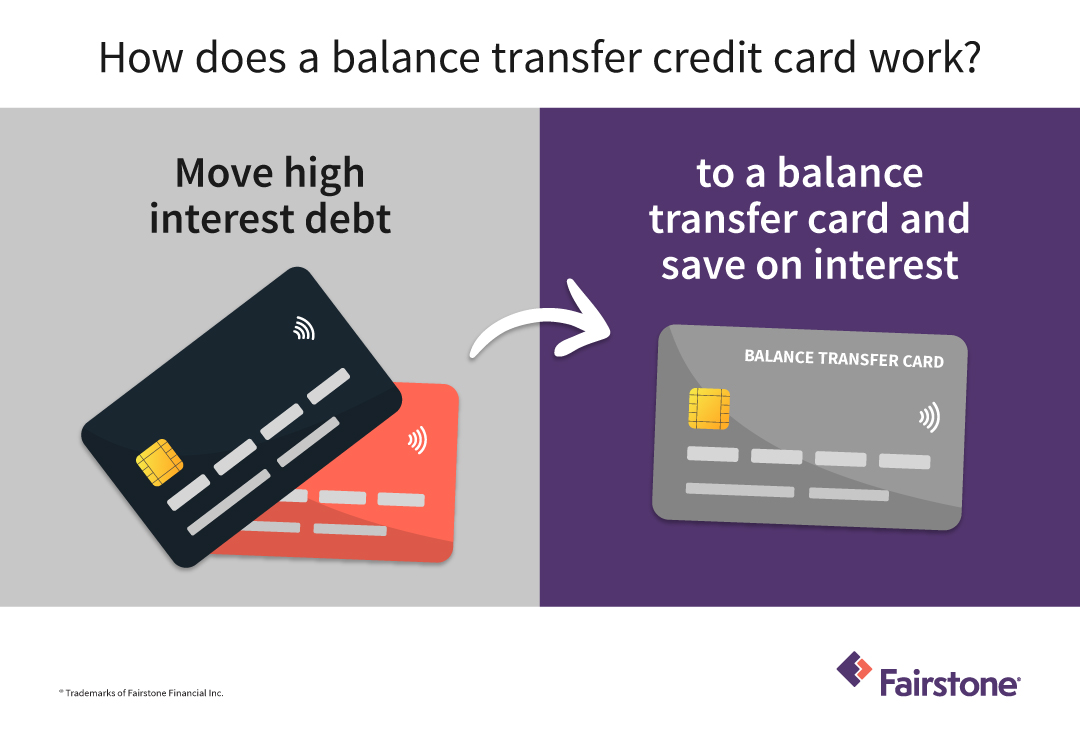
Imagine you're at a buffet (yes, I'm going there), and you've got a plate full of debt - some high-interest, some low. Now, wouldn't it be nice to swap that high-interest debt for something a bit more... palatable? That's essentially what a balance transfer is - moving your debt from one credit card to another to score a lower interest rate.
Think of it like this: you're giving your debt a makeover, from a high-maintenance, expensive diva to a more budget-friendly, laid-back friend. It's a win-win - you pay less interest, and you can actually afford to pay off your debt faster. Who wouldn't want that?
Must Read
How Does a Balance Transfer Work?
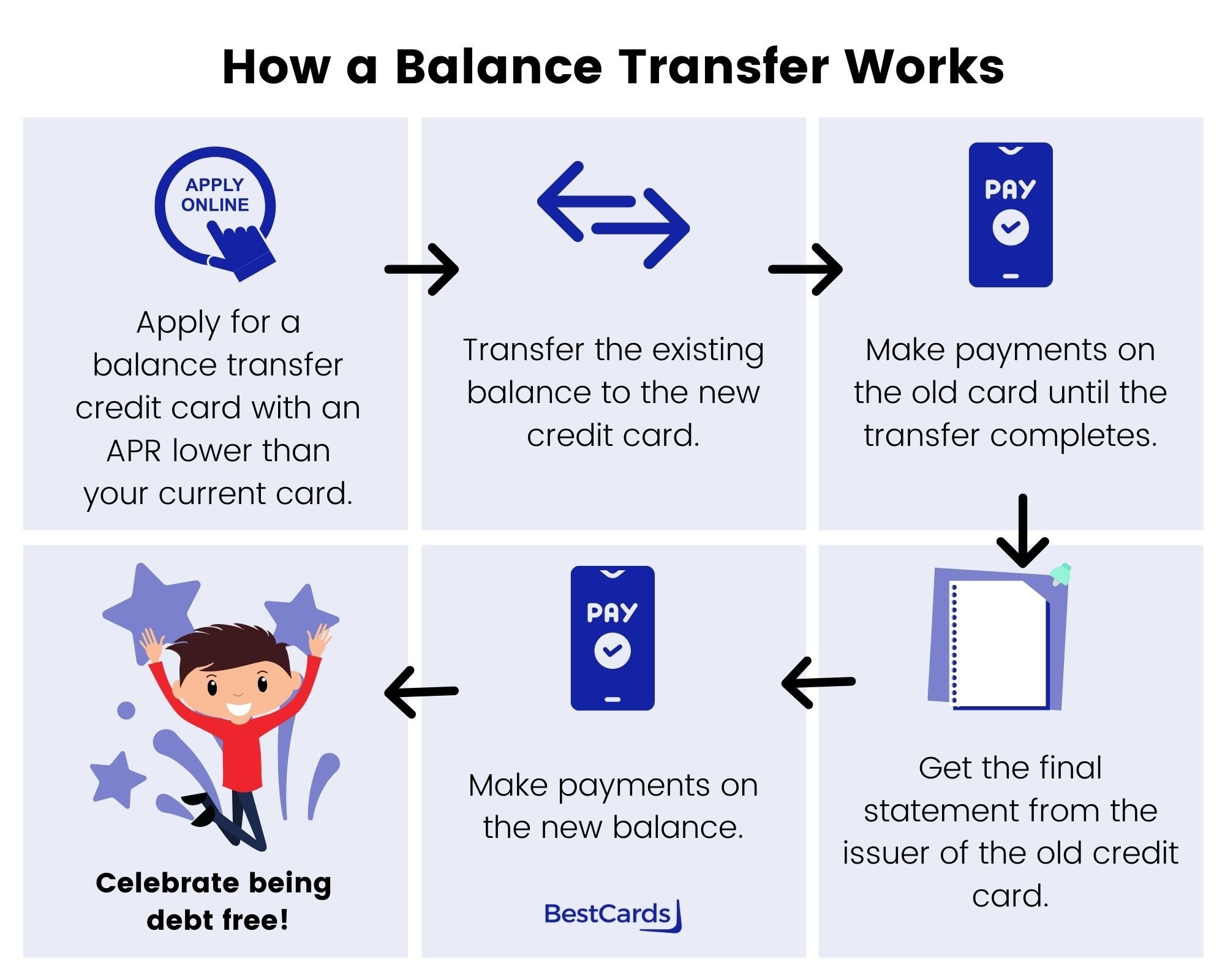
Alright, let's get down to the nitty-gritty. A balance transfer involves three main players: your current credit card (the one with the debt), the new credit card (the one offering a lower interest rate), and you (the mastermind behind this debt makeover).
Here's how it goes:
- Find a new credit card with a lower interest rate and a balance transfer offer. These offers often come with a 0% intro APR for a certain period (usually 12-21 months).
- Apply for the new card and, once approved, initiate the balance transfer. You'll need to provide the issuer with your current card's details and the amount you want to transfer.
- The new card issuer will pay off your old card's balance directly, and that debt will now live on your new card. Easy peasy!
But hey, before you start celebrating, remember that balance transfers usually come with a fee - typically around 3-5% of the transferred amount. So, you'll need to crunch the numbers and make sure the savings outweigh the fee.
 Balance transfer credit cards: Smart move or hidden cost?
Tips for a Successful Balance Transfer
Now that you're all clued up on the basics, let's talk strategy. Here are some tips to help you make the most of your balance transfer:
- Pay off the transferred balance before the intro period ends. If you don't, you'll start accruing interest on the remaining balance at the card's regular rate.
- To avoid any interest creep, make sure to pay off your entire balance each month. This way, you won't be charged any interest, and you'll stay on track to become debt-free.
- Once you've transferred your balance, focus on paying off the debt. It's tempting to start spending on your new card, but remember, the goal is to get out of debt, not dig yourself deeper into it.
Can't I Just...?
Before you ask, let me address a couple of FAQs:
Can't I just ask my current issuer for a lower rate? Sure, you can try! Sometimes, they might be willing to work with you. But if they're not, a balance transfer could be your best bet.
 Top 5 Balance Transfer Credit Cards - PointsPanda
What if I have multiple cards with balances? No worries! You can transfer balances from multiple cards to one new card. Just make sure to keep track of all the balances, fees, and intro periods.
You've Got This!
And there you have it, folks! You're now a balance transfer pro. Remember, the key is to use this strategy to pay off your debt faster and save money on interest. It's not about getting a new toy to play with (although, let's be real, that new card feels pretty nice).
So, go forth, conquer your debt, and remember - every dollar you save on interest is a dollar you can put towards something you actually want. Like that fancy coffee maker you've been eyeing. (Treat yo' self, right?)
Stay savvy, my friend, and happy debt-crushing!
