How To Do A Balance Transfer Between Credit Cards

Picture this: You’re drowning in credit card debt, but instead of panicking, you decide to pull off a financial magic trick—like a card-flipping ninja. That’s right, we’re tal...

Picture this: You’re drowning in credit card debt, but instead of panicking, you decide to pull off a financial magic trick—like a card-flipping ninja. That’s right, we’re talking about balance transfers, the ultimate way to move your debt from one card to another, often with a sweet interest-free deal.
Think of it like trading in your clunky old phone for a shiny new one—except this time, you’re upgrading your debt game. The goal? Save money on interest, pay off your balance faster, and maybe even score some free perks along the way.
Why Would You Even Do This?
Let’s be real—credit card interest is like that one friend who always shows up uninvited and eats all the snacks. It’s sneaky, it’s expensive, and it loves to stick around longer than your last bad relationship.
Must Read
Balance transfers let you escape that interest nightmare by moving your debt to a card with a 0% APR (Annual Percentage Rate) promo period. That means no more paying extra for the privilege of borrowing—just pure, unadulterated debt freedom (for a little while, at least).
Pro tip: These promos usually last 12 to 18 months, which is like a financial vacation. Use it wisely, or you’ll be back paying full interest faster than you can say "minimum payment."
How to Pull Off the Transfer Like a Pro
First, you’ll need two cards: your current card with debt (the one you’re tired of) and a new card with a 0% balance transfer offer (the one you’re obsessed with).
Check for cards with no balance transfer fees—because who wants to pay extra just to move their money around? Some cards charge 3% to 5% of the transferred amount, so do the math to see if it’s worth it.
Fun fact: Some banks offer cashback or rewards for balance transfers. Yes, you can actually earn money while paying off debt—how cool is that?
Step 1: Check Your Credit Score
Before you dive in, peek at your credit score. A higher score means better odds of getting approved for that sweet 0% deal. Think of it like applying for a hot date—you want to look your best.
If your score is on the lower side, don’t panic. Some cards are designed for people rebuilding credit, so there’s still hope. Just avoid applying to too many cards at once—that’s like showing up to a party with a fake ID. It’s not cool.
Step 2: Compare Offers Like a Detective
Not all balance transfer offers are created equal. Some have longer 0% periods, others have lower fees, and a few even throw in sign-up bonuses. It’s like choosing between a basic phone and a premium one—why settle?
Look for cards with no annual fees if you’re just doing this once. Life’s too short for unnecessary charges, am I right?
Pro move: Use a balance transfer calculator to see how much you’ll save. It’s like getting a sneak peek at your future self—thank you, debt-free you.
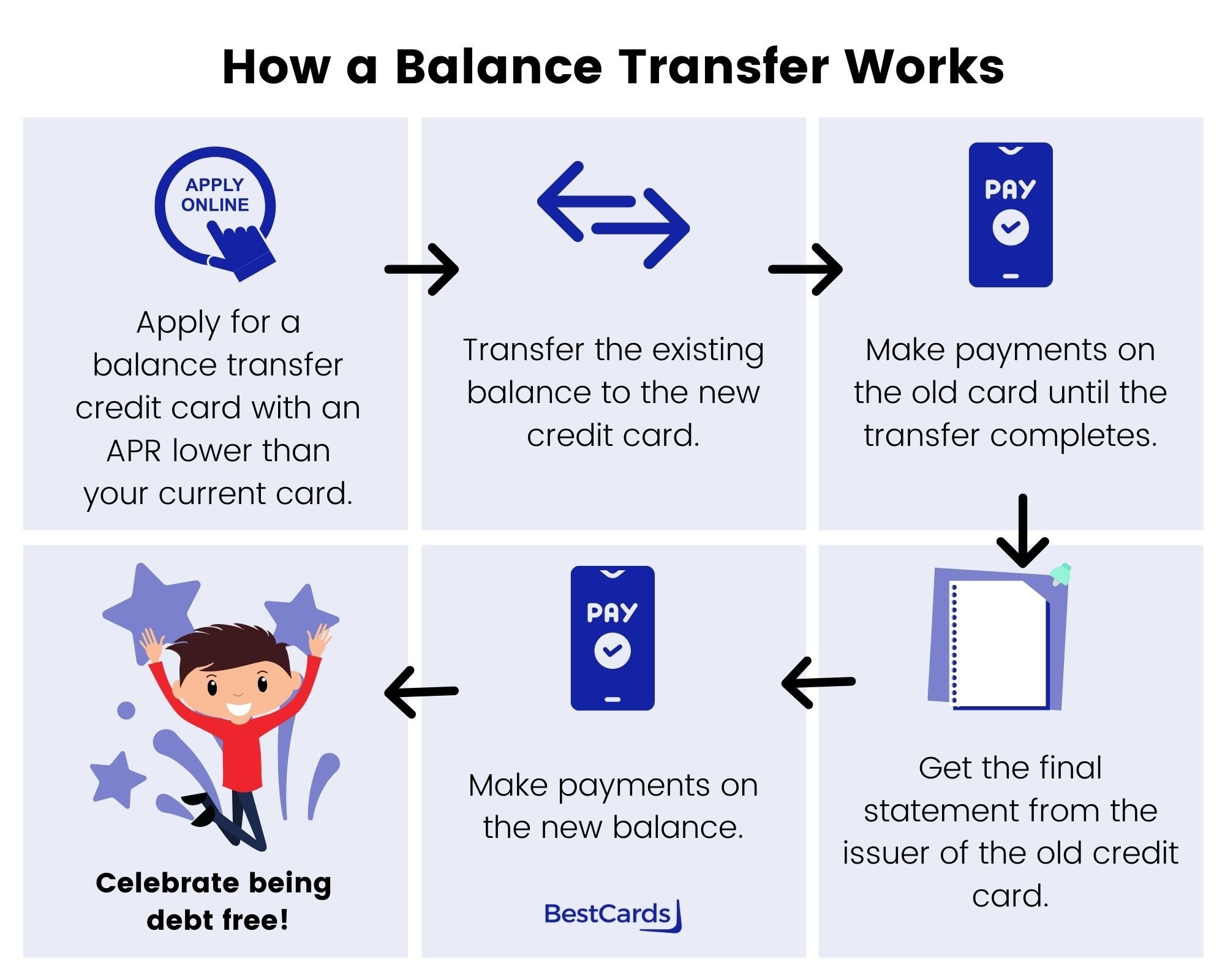 How Do Multiple Balance Transfers Occur? – GDVPDJ
Step 3: Apply for the New Card
Once you’ve picked your dream card, hit apply. The process is usually fast and easy, like ordering takeout—just fill in your info and wait for approval.
If you get approved, congrats! You’re one step closer to debt freedom. If not, don’t stress—try another card or work on boosting your credit score.
Funny side note: Some people treat balance transfer applications like a casino game, applying to multiple cards in hopes of getting lucky. Spoiler: That’s a bad idea. Hard inquiries (those pesky credit checks) can lower your score temporarily, so keep it to one or two.
Step 4: Transfer the Balance
Once approved, log into your new card’s website or app and find the balance transfer tool. It’s like using a magic wand—just point and click!
Enter the amount you want to transfer (or let the card do it all for you). Some cards let you transfer 100% of your balance, while others cap it at a certain limit. Play by the rules, but don’t be afraid to max it out if you can.
Double-check the transfer amount—no one wants to send extra money into the void. It’s like sending a text and then realizing you accidentally hit "send all." Oops.
Step 5: Pay It Off Before the Promo Ends
Here’s where the real fun (and stress) happens. You’ve got 0% interest for a limited time, so use it like a countdown timer—every month, pay as much as you can.
Set up automatic payments to avoid forgetting. Out of sight, out of mind—until the bill comes due, that is.
Warning: If you don’t pay off the balance before the promo ends, you’ll be hit with retroactive interest. That’s like getting a speeding ticket for driving 55 in a 60—suddenly, it’s way more expensive.
What Happens After the Transfer?
Once the balance is moved, your old card will show a $0 balance (but it’s still open and active). You can close it if you want, but some people keep it as a backup—like having a spare key.
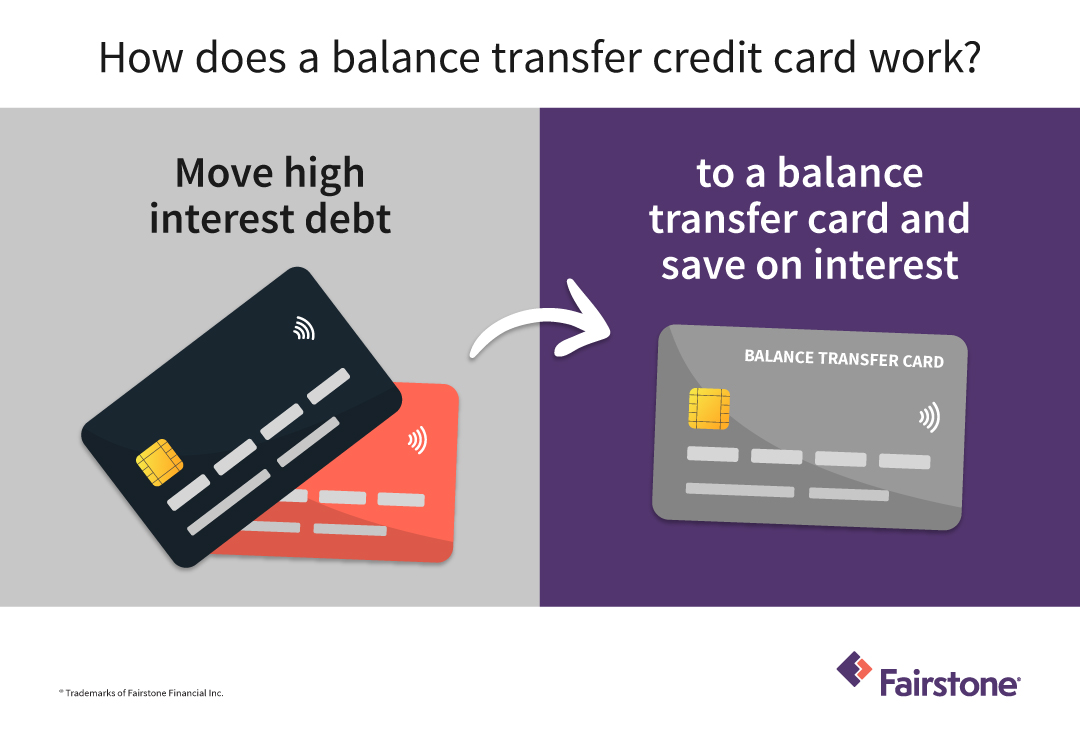 Balance transfer credit cards: Smart move or hidden cost?
Pro tip: If you close the old card, don’t cut it up. Just freeze it in a block of ice or hide it in a drawer. You never know when you’ll need it for emergencies.
And if you’re feeling extra clever, use the old card for small, regular purchases and pay it off in full every month. That way, you’re still earning rewards without carrying debt.
Common Mistakes to Avoid
Mistake #1: Assuming you can ignore the old card. Even if the balance is zero, the card is still open and can affect your credit score. Keep an eye on it like a hawk.
Mistake #2: Spending more on the new card. Just because you transferred a balance doesn’t mean you can go on a shopping spree. Stay disciplined—this is a debt payoff party, not a black Friday binge.
Mistake #3: Not reading the fine print. Some cards have balance transfer fees, early termination fees, or sneaky interest rates after the promo ends. Read it like a contract—don’t sign blindly.
Bonus: Weird and Wonderful Balance Transfer Facts
Did you know some banks offer balance transfer bonuses just for transferring? Like, "Transfer $5,000 and get $100 cash back!" It’s like getting a free pizza for bringing a friend.
Ever heard of a balance transfer "chase" strategy? Some people move balances between cards to extend the 0% period. It’s risky, but hey, if you’re feeling adventurous, why not?
Funny fact: The first credit cards in the 1950s had no interest-free grace periods. People actually paid interest from day one. Talk about a tough break.
The Bottom Line
Balance transfers are like a financial reset button—if you use them right. They can save you hundreds (or even thousands) in interest, but they’re not a magic fix for debt.
Stay disciplined, pay on time, and treat this like a temporary detour on your debt-free highway. And if all else fails, just remember: you’re not alone in this. Millions of people have pulled off balance transfers before you—and they’re still standing.
Now go forth and transfer like a boss. Your future self will thank you.
