How To Pay Off Credit Card With Another Credit Card

Ever found yourself in a situation where your credit card balance is skyrocketing faster than a NASA rocket? You're not alone, friend. According to Forbes, the average America...
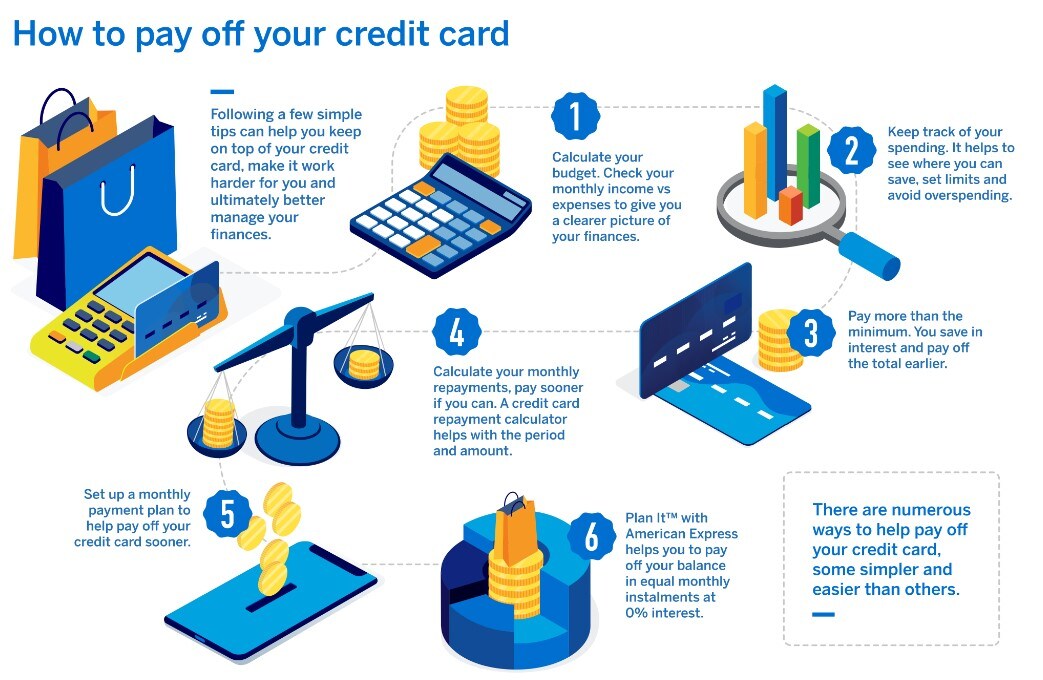
Ever found yourself in a situation where your credit card balance is skyrocketing faster than a NASA rocket? You're not alone, friend. According to Forbes, the average American household carries around $6,000 in credit card debt. But what if we told you there's a trick up our sleeve that could help you blast off that debt? Enter: the credit card balance transfer.
What's a Balance Transfer, You Ask?
A balance transfer is like musical chairs, but with your debt. You're essentially moving your balance from one credit card to another. It's a nifty trick that can help you consolidate your debt, snag some sweet rewards, or, most importantly, save on interest.
How Does It Work?
Here's the deal: when you transfer a balance, your new credit card provider pays off your old balance, and you start making payments to them instead. It's like trading in your old clunker for a shiny new ride, but with less paperwork (hopefully) and more financial responsibility.
Must Read
Now, you might be thinking, "That sounds great! But how do I choose the right credit card for a balance transfer?" Well, sit tight, because we're about to dive into that.
Finding Your Dream Card
Zero Interest is the Hero
When it comes to balance transfers, the holy grail is a zero percent introductory APR. This means you won't be charged interest on your transferred balance for a certain period, usually around 12 to 21 months. It's like getting a free pass to pay off your debt without the bank taking a bite out of your balance.
Think of it like this: if you transferred a $5,000 balance to a card with a 15% APR, you'd pay around $750 in interest over a year. But with a zero percent APR, you'd save that $750 and put it towards your principal instead. Cha-ching!
Fees: The Fine Print
Before you start celebrating, let's talk about fees. Most balance transfers come with a fee, usually around 3% to 5% of the transferred amount. So, if you're transferring that $5,000 balance, you might pay a fee of $150 to $250.
 Best Ways To Pay Off Multiple Credit Cards
But here's the thing: even with the fee, you could still save money on interest. And if you're strategic about it, you might even be able to earn rewards or cashback on your transferred balance. Win-win!
Rewards: The Cherry on Top
Some credit cards offer bonus rewards for balance transfers. For example, you might earn 3% cashback on your transferred balance for the first six months. That's like getting paid to pay off your debt. Not bad, huh?
Just remember, rewards cards often come with higher interest rates, so it's crucial to pay off your balance in full each month to avoid interest charges.
Tips for a Smooth Transfer
Alright, so you've found your dream card. Now what? Here are some tips to make your balance transfer as smooth as a jazz melody:
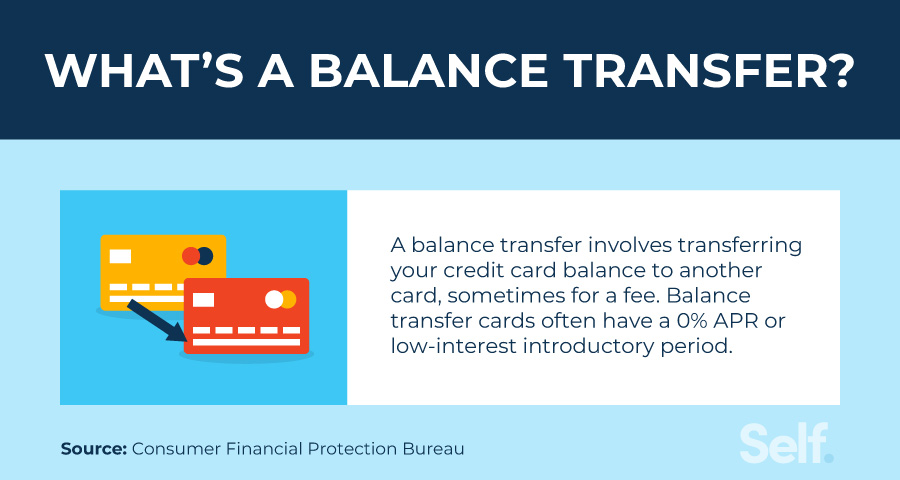 Can You Pay Off a Credit Card with Another Credit Card? - Self. Credit
- Check your credit score. Most balance transfer offers require good to excellent credit. You can check your score for free at AnnualCreditReport.com.
- Do the math. Calculate how much you'll save on interest and factor in the balance transfer fee to ensure it's worth it.
- Pay off the balance. Once the transfer is complete, focus on paying off the balance in full before the introductory period ends. Set up automatic payments to make it easier.
- Don't close your old card (yet). Closing a card can hurt your credit score, so keep it open until you've paid off the transferred balance. Then, if you must, cut it up and move on.
When Balance Transfers Aren't the Answer
While balance transfers can be a lifesaver, they're not always the best solution. If you have a small balance, it might not be worth the hassle. Or, if you're struggling to make minimum payments, a balance transfer might just kick the can down the road.
In those cases, consider other debt relief options like debt consolidation loans, debt management plans, or even bankruptcy. It's always a good idea to talk to a financial advisor or credit counselor to find the best solution for your unique situation.
Reflecting on Debt Freedom
Paying off debt is a journey, and like any journey, it's filled with ups and downs, twists and turns. But with the right tools and a little bit of strategy, you can turn the tables on your debt and start living the life you've always wanted.
So, go ahead, give that balance transfer a shot. And remember, every payment you make is one step closer to debt freedom. You've got this, champ!
