Why Does My Washing Machine Smell Like Rotten Eggs

So, you've just finished a load of laundry and as you're bending down to pull out your fresh, clean clothes, you're hit by a wave of... what's that smell? It's like your washi...
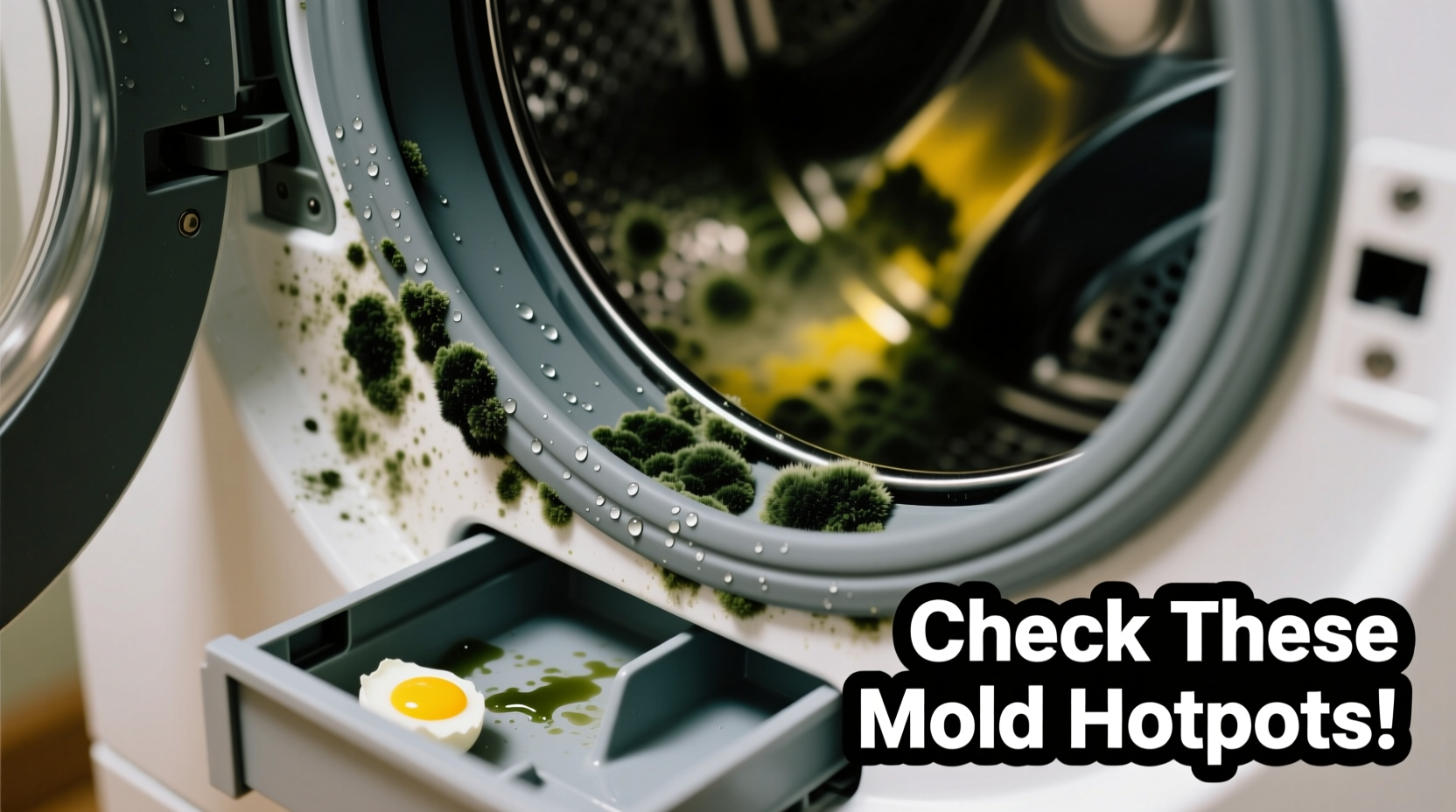
So, you've just finished a load of laundry and as you're bending down to pull out your fresh, clean clothes, you're hit by a wave of... what's that smell? It's like your washing machine has been hanging out with the Easter Bunny's egg stash, and not in a good way. Rotten eggs, huh? Let's dive in and figure out what's going on, because who doesn't love a good mystery, right?
First things first: What's that stench?
Alright, so you're not imagining things. That smell is real, and it's coming from a type of bacteria called sulfur-reducing bacteria. These little guys are like the party crashers of your washing machine, showing up uninvited and bringing their stinky friends. They love warm, moist environments, which is why they're often found in washing machines, dishwashers, and even hot water heaters.
Now, here's where it gets interesting. These bacteria feed on sulfur, which is found in some minerals and compounds in your water. As they munch away, they produce hydrogen sulfide gas, which is what's giving your washing machine that rotten egg aroma. Gross, but kind of cool, right? It's like a tiny, smelly ecosystem right in your laundry room!
Must Read
Why is my washing machine their favorite hangout?
Well, think about it. Your washing machine is the perfect party pad for these bacteria. It's warm, it's wet, and it's full of food (in the form of minerals and compounds in your water and detergent). Plus, it's dark, which is like a neon 'Open' sign for these light-averse critters.
But here's the thing: not all washing machines are equally appealing to these bacteria. Front-loading washers, for example, are more prone to this issue because they tend to hold more water and don't dry out as quickly between cycles. Top-loading washers, on the other hand, are usually less appealing because they have more airflow and dry out more quickly.
 Your Washer Smells Like Rotten Eggs? - (Best Ways To Fix!)
Okay, so how do I evict these stinky squatters?
First things first, don't panic. This is a common issue, and it's totally fixable. The key is to make your washing machine less appealing to these bacteria. Here are a few tips:
- Clean your washing machine: Run an empty cycle with hot water and a cup of vinegar. Vinegar is a natural antibacterial and will help kill the bacteria and remove any lingering odors.
- Leave the door or lid open between cycles to let it dry out. This will make it less appealing to those moisture-loving bacteria.
- Clean the rubber seal around the door or lid. This is a common breeding ground for bacteria, so give it a good scrub with a mixture of water and bleach or vinegar.
- Use the right detergent: High-efficiency detergents are designed to rinse completely, which can help prevent bacterial growth.
If you're still having trouble, you might want to consider getting a professional to take a look. They can help identify any underlying issues and get your washing machine smelling fresh again.
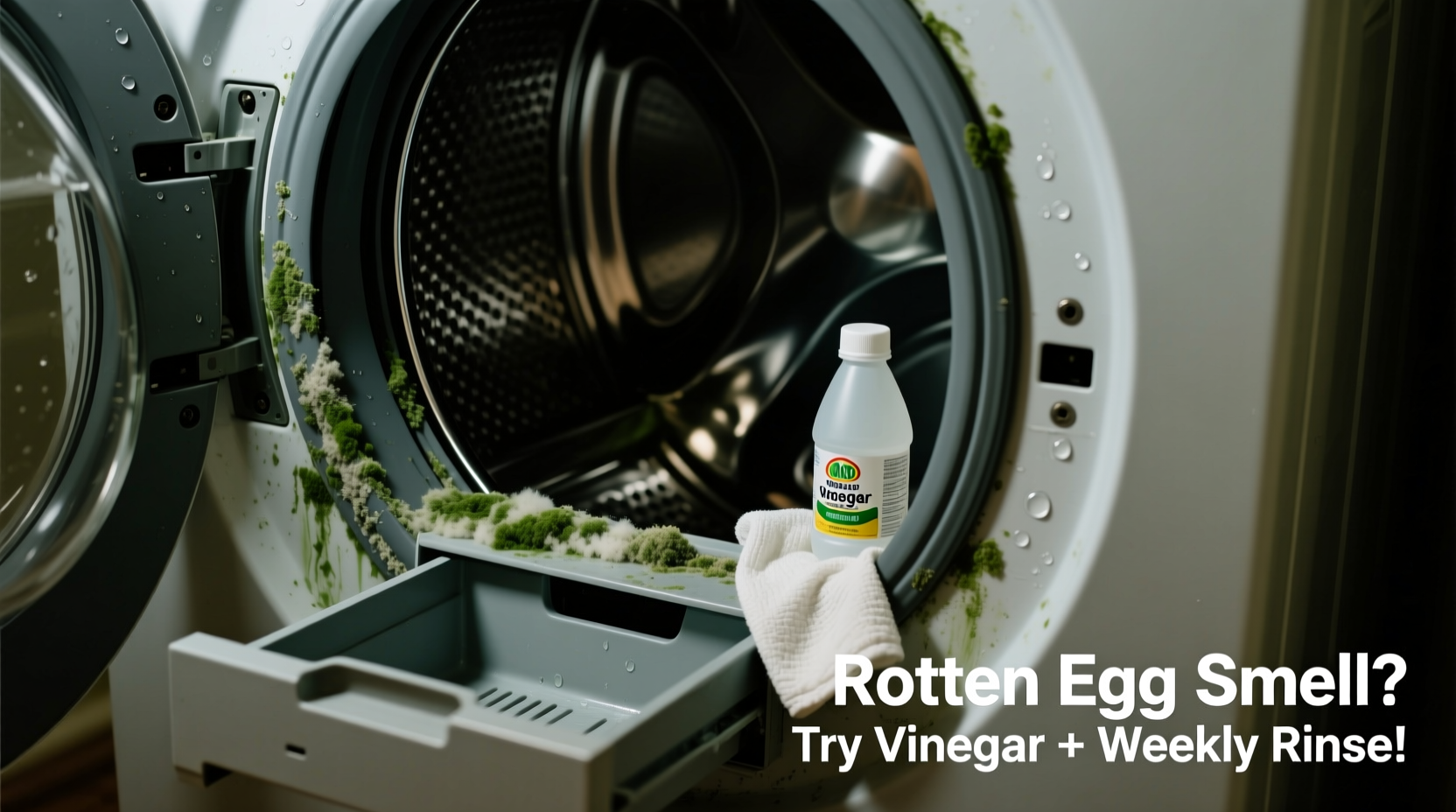 Why Does My Washing Machine Smell Like Rotten Eggs Simple Cleaning Fix
So, is this a big deal?
Honestly, no. While it's gross and annoying, this is a common issue that's usually easy to fix. It's not harmful to your health (unless you're allergic to the smell, in which case, sorry about that), and it's not going to cause any long-term damage to your washing machine.
But here's the cool part: this is a great example of how science is all around us, even in the most mundane parts of our lives. It's like a real-life experiment in bacterial ecology, happening right in your laundry room. Isn't that kind of awesome?
So, next time you're doing laundry and you catch a whiff of that rotten egg smell, don't be grossed out. Be impressed. You're witnessing a tiny, smelly ecosystem in action. And then, of course, go clean your washing machine. Because, you know, science is cool, but smelling like rotten eggs is not.
