How Does Financing A Car Work

So, I was cruising down the highway the other day, windows down, music blaring, when I realized, "Hey, this car is pretty sweet. I wonder how people afford these bad boys?" An...
So, I was cruising down the highway the other day, windows down, music blaring, when I realized, "Hey, this car is pretty sweet. I wonder how people afford these bad boys?" And then it hit me, like a sudden rainstorm on a sunny day, that not everyone buys their cars in cash. Some of us need a little help from our friends, a.k.a. financing. So, let's dive in, shall we?
What's Financing, Anyway?
Alright, imagine you're at the car dealership, and you've found your dream ride. But there's a teensy tiny problem - it's way out of your immediate budget. That's where financing comes in. It's like a magical middleman that lets you drive off the lot today and pay for your car over time. Neat, huh?
How's It Work, Then?
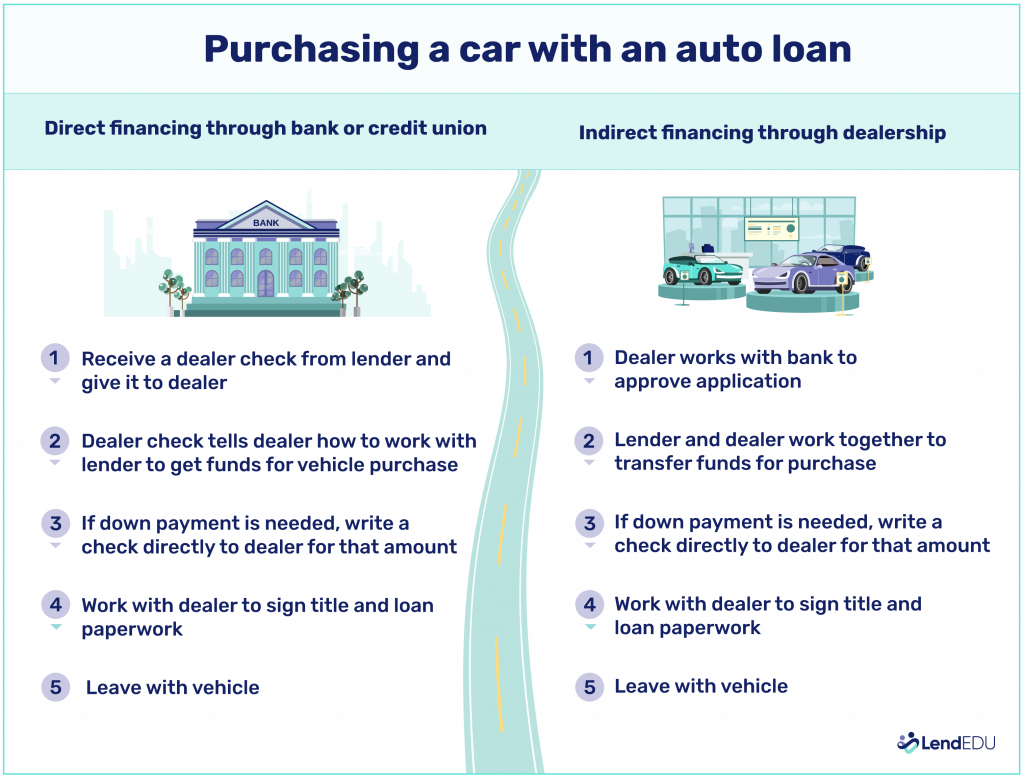
Financing a car is a bit like taking out a loan. You borrow money from a lender (usually a bank or a dealership) to buy your car. The lender gives you the money, you drive away happy, and then you promise to pay them back in monthly installments, plus interest. It's like a long-term commitment, kinda like choosing a favorite sports team, but with more paperwork.
Must Read
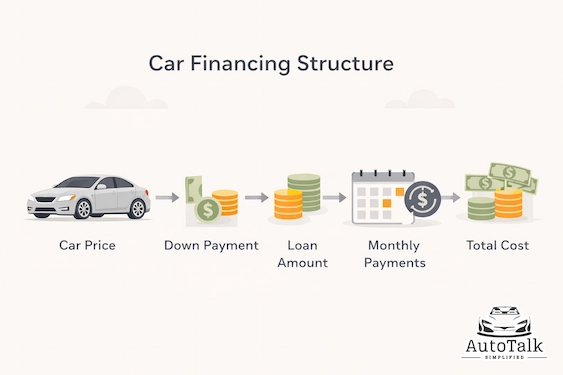
Here's a simple breakdown:
- Down Payment: That's the money you put down upfront. It's like a promise to the lender that you're serious about buying the car.
- Loan Amount: That's the rest of the car's price that you're borrowing.
- Interest Rate: That's the lender's way of making a profit. It's the extra amount you pay back on top of your loan. It's like a little 'thank you' to the lender for letting you borrow the money.
- Loan Term: That's how long you have to pay back the loan. It's usually measured in months.
Now, all these factors together determine your monthly payment. It's like a secret recipe, but instead of delicious cookies, you get a car. Sort of.
Who's The Boss Here?
When you finance a car, you're not the full owner right away. The lender is the official owner until you've paid off the loan. It's like when you were a kid, and your parents bought you that awesome bike, but they held onto the receipt until you proved you could take care of it. The lender is like that, but with more legal jargon.
 How Car Financing Works: Simple Guide for First-Time Buyers
Until you've paid off your loan, the lender has a claim on your car. That means if you can't make your payments, the lender can take your car back. It's not fun, and it's definitely not something you want to happen. So, it's important to make your payments on time. Your car (and your credit score) will thank you.
But What About My Credit Score?
You might be wondering, "What's this credit score business all about?" Well, your credit score is like your financial reputation. It's a number that shows lenders how responsible you are with money. The better your score, the more likely lenders are to give you a loan with a lower interest rate.
When you finance a car, the lender will check your credit score. If it's good, you'll probably get a better deal. If it's not so great, you might have to pay more in interest. It's like going to a fancy restaurant. If you've got a good reputation, they'll seat you by the window. If not, you might get stuck in the kitchen.
 How Car Loans Work? Used Car Loan Guide
So, Should I Finance My Car?
That's a big question, and the answer depends on you. If you can afford to buy a car in cash, that's great! But if you can't, financing might be a good option. Just make sure you understand the terms of your loan and that you can afford the monthly payments.
Remember, financing a car is a big decision. It's like choosing a life partner, but with less romance and more paperwork. So, take your time, do your research, and make sure it's the right choice for you.
And hey, if you ever find yourself cruising down the highway, wondering how people afford their cars, now you know. It's all about financing. So, drive safe, and happy financing!
